Project Managers do not work with tasks, they work with people.
And when your team includes different countries, personalities and communication styles, things can feel complex very quickly. Cultural differences affect everything, from how people give feedback to how they ask for help, how they deal with conflict and even how they understand deadlines.
One of the tools that has helped me the most in global projects is the DISC model. It is simple, practical and easy to apply without making anyone uncomfortable. It helps you understand behavior, not personality, and it helps you adjust your communication in a way that feels respectful to everyone.
The Challenge of Working Across Cultures
Different cultures bring different expectations.
You may notice things like:
• some people are very direct, others very diplomatic
• some speak up quickly, others wait for space
• some follow written process, others prefer conversation
• some escalate immediately, others avoid conflict
• some ask for help early, others try alone until the last minute
None of this is right or wrong.
It is simply different.
Understanding these differences helps you prevent misunderstandings and build trust faster.
What DISC Helps You See
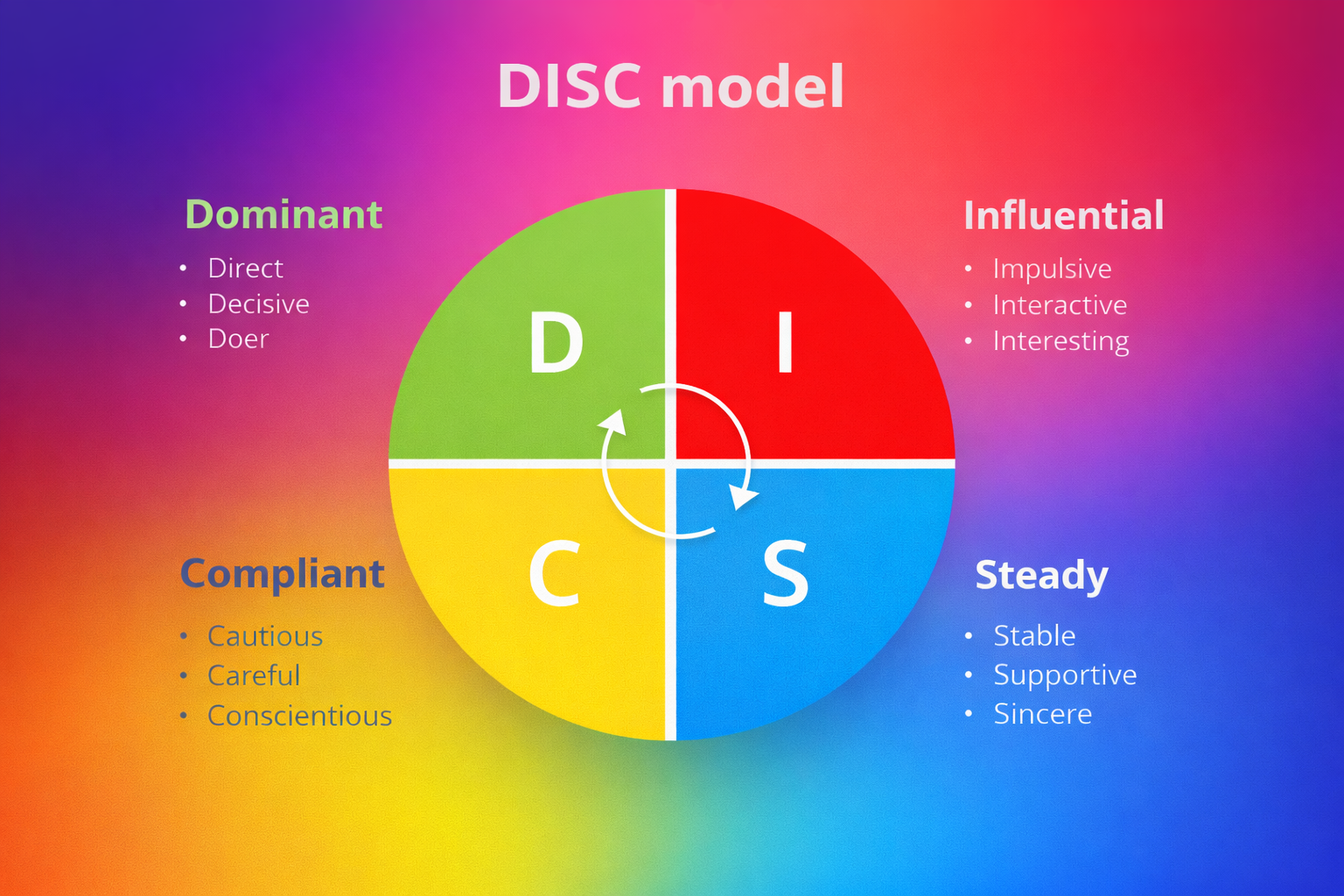
DISC divides behavior into four simple styles.
D – Dominance
Fast, direct, decisive. Values results.
I – Influence
Social, positive, expressive. Values connection.
S – Steadiness
Calm, patient, supportive. Values stability.
C – Conscientiousness
Analytical, careful, detail-oriented. Values accuracy.
Most people are a mix of two styles.
Seeing these patterns helps you understand how people prefer to work and communicate.
How I Use DISC in Real Projects
I never ask people for their DISC profile.
I use it quietly to interpret behavior.
Here is how it helps in practice.
If someone is very direct (D)
I give short updates and focus on results.
If someone prefers harmony (S)
I create a calm space to ask questions and avoid putting pressure.
If someone likes detail (C)
I support decisions with data and clear documentation.
If someone is energetic and talkative (I)
I explain ideas verbally first and then follow up with notes.
DISC helps me adjust the way I communicate so each person understands me clearly.
This reduces friction and helps the team trust me faster.
When Culture and DISC Come Together
Culture explains context.
DISC explains behavior.
For example:
• A direct person in one culture may sound too strong in another
• A calm person may be misinterpreted as slow
• A detail-focused person may look rigid
• An enthusiastic person may look unfocused
When you combine cultural awareness with DISC, you understand the reason behind the behavior instead of judging it.
How to Apply DISC on Your Team
You do not need a workshop.
You can use DISC quietly in your daily routine.
Try these steps:
- Observe how each person communicates
- Look for patterns
- Adjust your style to match theirs
- Avoid forcing your preferred style on the team
- Use the strengths of each style
A team feels safer and more productive when they feel understood.
Why This Matters for Project Managers
A PM often acts as the bridge between cultures, teams and expectations.
When you understand the natural style of each person, you:
• reduce conflict
• improve collaboration
• get faster responses
• prevent misunderstandings
• help people work in their strengths
This is not about changing who you are.
It is about meeting people where they are.
Final Thought
Strong Project Managers do not only manage plans.
They manage relationships.
DISC is a simple and respectful way to understand behavior across cultures and create a team environment where people feel comfortable communicating and doing their best work.
Communication becomes easier.
Trust grows faster.
The project flows naturally.
Leave a Reply